
Assistant Instructor
<style type="text/css" media="screen">.ImageLeft { display: block; margin: 10px 9px 6px 0; float: left; border: 0; } .ImageRight { display: block; margin: 10px 0 6px 9px; float: right; border: 0; } .ImageCentered { display: block; text-align: center; margin: 0 auto 9px auto; border: 0; } /-- Icon Left/Right --/ div.icon-text { display: block; width: 698px; min-height: 135px; margin-top: -12px; margin-bottom: 48px; padding-top: 12px; border-top: 1px solid #000; } div.icon-left { display: block; float: left; width: 108px; text-align: left; margin-top: 0; } div.icon-right { display: block; width: 698px; margin-top: -4px; margin-right: 0px; padding-left: 108px; padding-right: 0px; } .youtube { display: block; margin: 18px auto 15px auto; } .youtubeRight { display: block; width: 320px; margin: 10px 0 6px 9px; float: right; border: 0; }

Advanced to the Forefront: TheNASE Instructor Training Program (ITP) is the process through which qualified candidates complete the requirements for certification as a NASE Worldwide Assistant Instructor. NASE Assistant Instructors who then successfully complete the NASE Instructor Examination (IE) are upgraded to NASE Open Water Instructors (OWIs).
Who Can Participate?

- Be at least 18 years old.
- Be certified the NASE Divemaster level (or equivalent).
- Have obtained a doctor’s approval for diving within the preceding twelve months and be able to supply a physician-signed NASE Medical History form, or equivalent.
Consult NASE Leadership Standards for a complete listing of requirements.
What is Involved?

- Staff Presentations: “Must have” information for instructors and assistants presented by qualified NASE Instructor Trainers.
- Staff Presentations: Practice teaching assignments in the classroom, confined and open water.
- Exams: Written exams on ITP content and NASE Standards and Procedures.
What Materials and Equipment Will You Need?

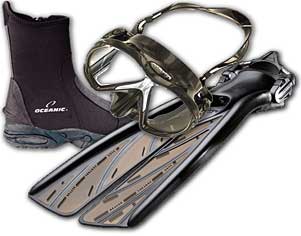
- Mask and fins
- Snorkel for freediving
- Adequate exposure protection
- BC and regulator system
- One full cylinder per dive
- Dive computer or depth gauge and timer
- Underwater compass
- Dive knife or cutting tool
Depending on the dive site and planned activities, it may also be prudent to have items such as audible and visual surface signals. Your instructor may have further equipment requirements in addition to these, such as a primary and backup light for night and deep dives.
Get Started Now
