
Navigation
<style type="text/css" media="screen">.ImageLeft { display: block; margin: 10px 9px 6px 0; float: left; border: 0; } .ImageRight { display: block; margin: 10px 0 6px 9px; float: right; border: 0; } .ImageCentered { display: block; text-align: center; margin: 0 auto 9px auto; border: 0; } /-- Icon Left/Right --/ div.icon-text { display: block; width: 698px; min-height: 135px; margin-top: -12px; margin-bottom: 48px; padding-top: 12px; border-top: 1px solid #000; } div.icon-left { display: block; float: left; width: 108px; text-align: left; margin-top: 0; } div.icon-right { display: block; width: 698px; margin-top: -4px; margin-right: 0px; padding-left: 108px; padding-right: 0px; } .youtube { display: block; margin: 18px auto 15px auto; } .youtubeRight { display: block; width: 320px; margin: 10px 0 6px 9px; float: right; border: 0; }
Never lose your way: The Navigation course builds on the natural and compass navigation skills you acquire as part of the Advanced Open Water Diver course. It provides an introduction to:
- Small-area surveys.
- Simple map making.
- Using navigation in conjunction with other specialty activities.
These skills are valuable in a variety of diving situations — and are ones that every serious diver should have.

Who Can Take This Course?

- Be at least 12 years old.
- Be certified the NASE Open Water Diver level (or equivalent).
- Be able to answer No to all questions on the NASE Medical History form, or secure a physician’s approval for diving prior to the start of the course
What is Involved?

- Self Study: Using a variety of materials.
- In-Water Training: Students must acquire at total of 60 minutes of Actual Time (this can include credit for Advanced course navigation dives).
What Equipment Will You Need?

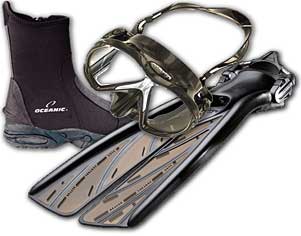
- Mask and fins
- Adequate exposure protection
- BC and regulator system
- One full cylinder per dive
- Dive computer or depth gauge and timer
- Underwater compass
- Dive knife or cutting tool
Depending on the dive site and planned activities, it may also be prudent to have items such as audible and visual surface signals. Your instructor may have further equipment requirements in addition to these, such as a primary and backup light.
Get Started Now
